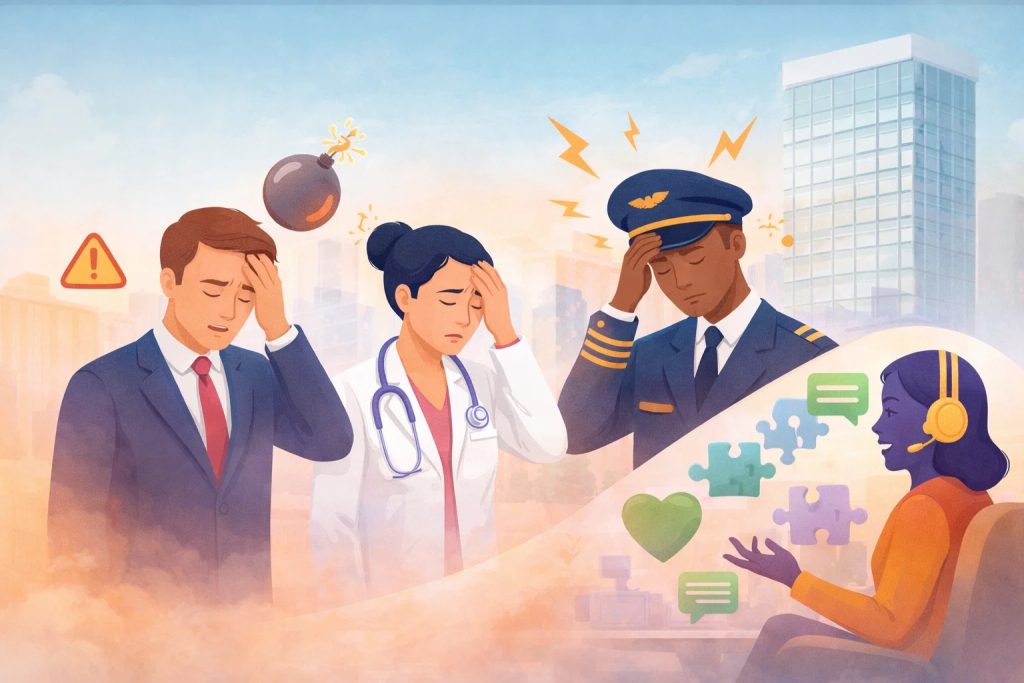
High-pressure roles exist in almost every organisation. Senior leaders, managers, client-facing professionals, healthcare workers, educators, and employees in operationally critical functions often carry sustained responsibility, time pressure, and decision-making demands that extend beyond standard job stress. While pressure is sometimes viewed as an inherent part of these roles, mental health support for high-pressure roles requires careful, role-aware consideration. Generic wellbeing initiatives may fail to address the specific risks these employees face, leaving organisations vulnerable to burnout, disengagement, and leadership attrition.
This article explores why high-pressure roles carry elevated mental health risk, where traditional workplace support often falls short, and how organisations can respond more effectively.
What Defines a High-Pressure Role?
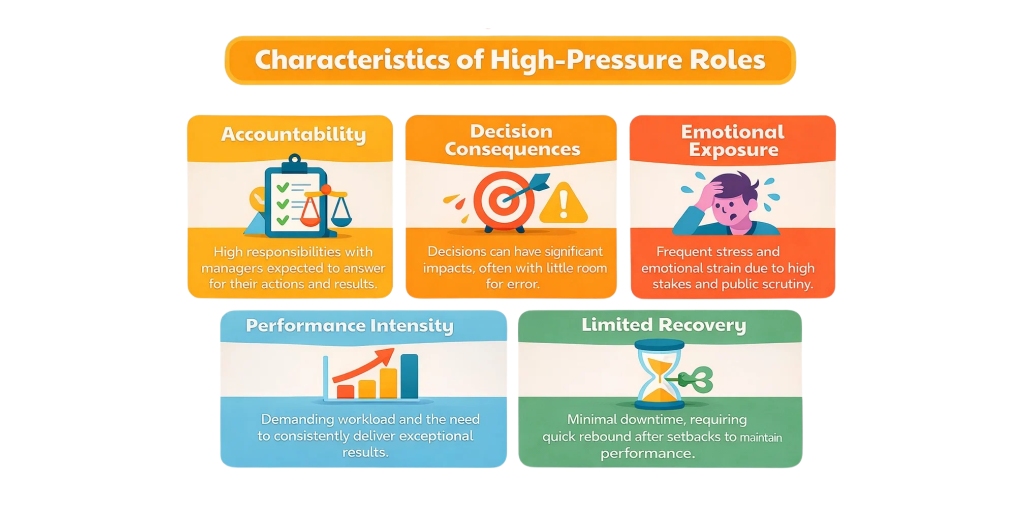
High-pressure roles are not defined solely by seniority or workload. They are characterised by sustained psychological demand, often involving:
- High levels of responsibility or accountability
- Ongoing decision-making with real consequences
- Exposure to conflict, crisis, or emotionally charged situations
- Performance expectations with limited margin for error
- Reduced opportunities for psychological recovery
These roles may exist at different organisational levels and across functions, from executives and managers to frontline professionals and specialists.
Why High-Pressure Roles Carry Greater Mental Health Risk
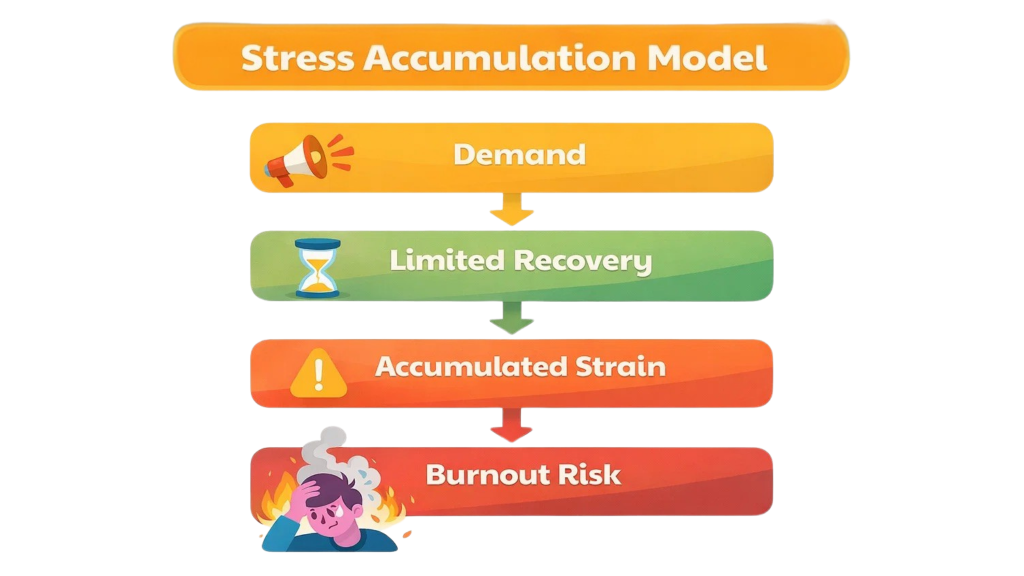
Pressure itself is not inherently harmful. Problems arise when high demand is continuous, poorly supported, or combined with limited autonomy or recovery.
Common risk factors include:
Prolonged Cognitive and Emotional Load
High-pressure roles often require sustained focus, vigilance, and emotional regulation. Over time, this can deplete psychological resources and reduce resilience.
Limited Recovery Time
Employees in critical roles may struggle to disengage from work, even outside office hours. Without adequate recovery, stress accumulates and becomes harder to manage.
Normalisation of Distress
In many high-pressure environments, stress is normalised or minimised. Employees may interpret distress as a personal failing rather than a signal that support is needed.
Barriers to Help-Seeking
Concerns about reputation, leadership image, or perceived competence can discourage employees in high-pressure roles from seeking support early.
Common Mental Health Challenges in High-Pressure Roles
Employees in high-pressure roles may experience a range of mental health challenges, including:
- Chronic stress and emotional exhaustion
- Anxiety linked to performance or decision-making
- Sleep disturbances and fatigue
- Reduced emotional regulation or irritability
- Early signs of burnout or disengagement
These challenges may not always be visible. High-functioning employees can continue performing well while experiencing significant internal distress.
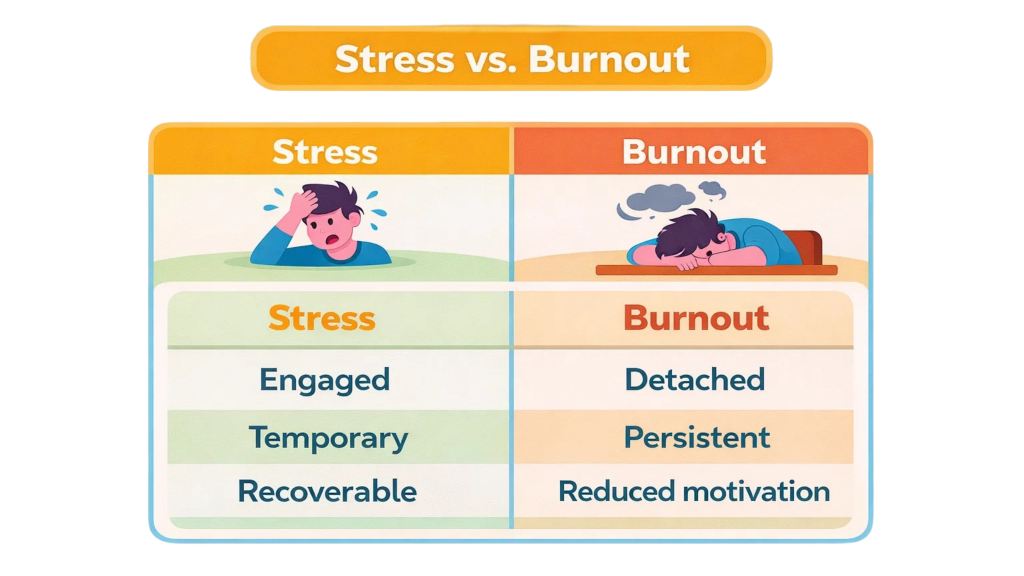
Stress vs Burnout in High-Pressure Contexts
In high-pressure roles, the line between stress and burnout can be difficult to detect.
- Stress may present as overwork, urgency, or short-term overwhelm, with the employee remaining engaged and motivated.
- Burnout often develops gradually and may be masked by competence or professionalism, making it harder to recognise.
Because high-pressure roles often reward endurance, burnout may be misinterpreted as a performance or attitude issue rather than a mental health concern.
For a clearer distinction, see Employee Stress vs Burnout: What Organisations Should Know.
For a clearer distinction, see Employee Stress vs Burnout: What Organisations Should Know.
Why Generic Workplace Wellbeing Often Falls Short
Many organisations offer broad wellbeing initiatives designed to support the general workforce. While these can be valuable, they may be insufficient for employees in high-pressure roles.
Common limitations include:
- Support that does not account for role-specific demands
- Inflexible access to services that conflict with work schedules
- Programmes focused on individual resilience rather than systemic stressors
- Limited confidentiality or trust in available services
As a result, employees in high-pressure roles may disengage from available support or delay seeking help until difficulties escalate.
The Role of Leadership and Organisational Culture
Leadership behaviour plays a critical role in shaping mental health outcomes for high-pressure roles.
When leaders:
- Model healthy boundaries
- Acknowledge the impact of sustained pressure
- Encourage early conversations about stress
- Respond supportively rather than punitively
…employees are more likely to seek support early.
Conversely, cultures that reward constant availability, perfectionism, or emotional suppression can increase mental health risk and accelerate burnout.
What Effective Mental Health Support for High-Pressure Roles Looks Like in the Workplace
Supporting employees in high-pressure roles requires intentional, role-aware strategies rather than one-size-fits-all solutions.
Confidential and Accessible Support
Employees must be able to access mental health support discreetly and without fear of negative consequences. Confidentiality is especially important in leadership and high-visibility roles.
Clinically Informed Screening and Assessment
Early screening can help clarify whether an employee is experiencing situational stress, burnout risk, or a more complex mental health concern. This supports timely and appropriate intervention.
Flexible Support Formats
High-pressure roles often require flexibility in how and when support is accessed. Rigid models may unintentionally exclude those who need help most.
Integration With Organisational Context
Effective support recognises the realities of the employee’s role, workload, and organisational environment rather than treating mental health concerns in isolation.
Supporting High-Pressure Roles Without Lowering Standards
A common concern among organisations is that mental health support may reduce performance expectations. In practice, the opposite is often true.
When employees in high-pressure roles feel supported:
- Decision-making improves
- Emotional regulation strengthens
- Engagement and leadership presence increase
- Long-term performance becomes more sustainable
Mental health support is not about reducing responsibility; it is about ensuring that responsibility is carried sustainably.
When Professional Support May Be Particularly Important
Professional mental health support may be especially valuable when:
- Pressure is sustained over long periods
- Decision fatigue or emotional exhaustion increases
- Work-related stress begins to affect personal wellbeing
- Leaders or HR teams feel unsure how to respond
Early intervention can prevent stress from progressing into burnout or disengagement, particularly in roles critical to organisational functioning.
For a broader framework, see Workplace Mental Health Support: A Practical Guide for Organisations.
From Awareness to Action
Recognising the unique mental health risks of high-pressure roles is only the first step. Organisations that respond effectively:
- Move beyond generic wellbeing initiatives
- Invest in leadership capability and psychological safety
- Provide access to professional, role-aware mental health support
- Align expectations with sustainable performance
These actions help protect both employee wellbeing and organisational resilience.
Supporting High-Pressure Roles Sustainably
High-pressure roles are essential to organisational success. However, sustained pressure without adequate support carries real mental health risks.
Organisations that take a thoughtful, structured approach to mental health support for high-pressure roles are better positioned to retain experienced leaders, maintain effective decision-making, and navigate complexity over time.
As a workplace mental health provider working with organisations across diverse industries and cultural contexts, CALM International supports employers in addressing the mental health needs of employees in high-pressure roles through clinically grounded, context-aware support that aligns with real workplace demands.
Frequently Asked Questions
What are high-pressure roles in the workplace?
High-pressure roles are positions involving sustained accountability, high-stakes decision-making, emotional labour, or limited recovery time. These roles often include executives, managers, healthcare professionals, educators, and operational leaders
Why are high-pressure roles at greater risk of burnout?
High-pressure roles involve continuous cognitive and emotional demand. When recovery time, autonomy, or support are limited, prolonged stress may accumulate and progress into burnout.
How can organisations support employees in high-pressure roles?
Organisations can provide confidential access to qualified mental health professionals, equip managers to recognise early warning signs, design realistic workloads, and integrate mental health considerations into leadership practices.
Are EAPs sufficient for supporting high-pressure employees?
EAPs may provide short-term support, but they are often insufficient as standalone solutions. High-pressure roles typically require role-aware, clinically informed, and organisationally integrated mental health support.
What are early warning signs of burnout in leadership roles?
Early signs may include emotional exhaustion, decision fatigue, detachment, irritability, reduced engagement, or difficulty recovering after work periods.