Every child experiences stress, emotional changes, and academic pressures — but when challenges begin to affect daily life, a mental health screening can provide early clarity. For parents and families, knowing what a screening involves, who conducts it, and how it links to deeper testing like psychoeducational assessment can make a significant difference in getting the right support.
At CALM International, our clinicians help families understand whether a child simply needs short-term support or whether a full psychoeducational assessment is the next critical step.
What Is a Mental Health Screening?
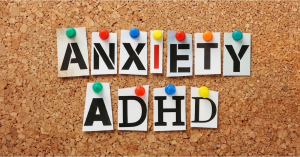
A mental health screening is a short, structured evaluation designed to identify emotional, social, behavioural, or developmental concerns. It is not a diagnosis — instead, it acts as a decision-making tool to determine whether additional steps (including a psychoeducational assessment ) may be needed.
Screenings help identify early signs of:
- Anxiety or excessive worry
- Mood changes
- Behavioural challenges
- Attention difficulties
- Stress related to school or peers
- Learning struggles that may suggest deeper academic difficulties
Who Conducts Mental Health Screenings?
At CALM International, screenings are carried out by trained practitioners such as:
1. Licensed Mental Health Counselors
Our licensed mental health counselors specialise in recognising early signs of anxiety, depression, emotional dysregulation, social stress, and adjustment difficulties. They guide families on immediate steps and supportive strategies.
2. Clinical Psychologists
When a deeper clinical picture is needed, screening escalates to a psychologist who can advise whether formal psychological testing (e.g., for ADHD, learning disorders, autism) is necessary.
3. Child & Adolescent Therapists
These clinicians evaluate emotional and developmental well-being through age-appropriate interviews, play-based activities, and behavioural observations.
What Tools Are Used in Children’s Mental Health Screenings?
A screening may include:
• Standardised Questionnaires
These may highlight symptoms related to anxiety, depression, attention difficulties, or school-related stress.
• Clinical Interviews
Age-appropriate conversations help clinicians understand emotional experiences, academic worries, peer relationships, and coping patterns.
• Behavioural Observation
Particularly important for younger children. Clinicians may observe play, interaction, communication style, or focus.
• Developmental & Academic Background Review
Parents often share school reports, teacher feedback, or past learning concerns — information that helps determine if a psychoeducational assessment is advisable.
How Mental Health Screenings Help Identify Learning or Academic Difficulties
While screenings are emotional- and behaviour-focused, they often reveal signs that a child may be struggling academically. Common flags include:
- Persistent difficulty with reading, writing, or mathematics
- Problems following instructions or staying organised
- Slow processing speed
- Trouble focusing across subjects
- Avoidance of homework or school-related tasks
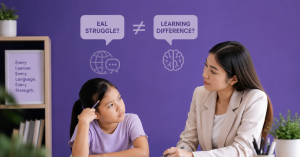
If these concerns emerge, the clinician may recommend a psychoeducational assessment to determine whether challenges are caused by learning disorders, ADHD, or underlying cognitive factors.
When Mental Health Screening Suggests a Psychoeducational assessment
A clinician may recommend psychoeducational testing when:
- Emotional symptoms appear tied to academic struggles
- Teachers report persistent learning or attention difficulties
- A child has trouble retaining new information
- Parents observe rising frustration or withdrawal around schoolwork
- Screening results fall into the “yellow” or “red” zones
- There is a history of delayed developmental milestones
- A child is transitioning to a new school or academic stream
➡️ Learn more about the full process on our Psychoeducational Assessments page.
How Mental Health Screening and Psychoeducational assessment Work Together
Both processes provide different but complementary insights:
Mental Health Screening
- Identifies emotional, behavioural, or social concerns
- Screens for anxiety, depression, attention difficulties, or stress
- Guides parents toward early support and counseling
- Helps determine whether specialised testing is needed
Psychoeducational assessment
- Evaluates cognitive abilities, executive functioning, memory, processing speed
- Identifies specific learning disorders (dyslexia, dysgraphia, dyscalculia)
- Assesses ADHD and related attention challenges
- Provides recommendations for school accommodations
- Offers a complete profile of how a child learns best
Both together give parents the full picture — emotional wellbeing and learning ability — allowing for more effective intervention at home and school.
Understanding Screening Results: What Parents Can Expect
Screening outcomes typically fall into three categories:
1. Green Zone — No Immediate Concern
Your child’s emotions and behaviours are within developmental norms.
Next steps:
- Monitor at home
- Optional follow-up with a licensed mental health counselor
- No psychoeducational assessment required unless academic concerns emerge later
2. Yellow Zone — Mild to Moderate Concern
Symptoms may require support or monitoring.
Next steps:
- Begin clinical mental health counseling
- Implement home and school strategies
- Re-screen in 8–12 weeks
- Consider a psychoeducational assessment if academic issues are present
3. Red Zone — Significant or Persistent Concern
Symptoms are strong or long-standing.
Next steps:
- Full psychological or psychoeducational assessment to clarify diagnosis
- Possible referral to a child psychiatrist
- Regular therapy to stabilise mood, behaviour, or coping
After the Screening: What CALM International Provides
• Clear, Actionable Guidance
Parents receive a structured explanation and recommendations tailored to their child’s needs.
• Counseling & Therapy Options
If indicated, your child may begin seeing a therapist or licensed mental health counselor.
• Psychoeducational Testing
For learning, attention, or developmental concerns, we guide families through the full assessment process — including testing, scoring, reports, and school accommodations.
• School Collaboration
We advise parents on how to communicate assessment results to teachers and counsellors to ensure support is consistent across environments.
Book an Assessment Consult
If you’re unsure whether your child needs a mental health screening, psychoeducational assessment, or counselling, we can guide you.
➡️ Book an Assessment Consult here
➡️ Explore our Psychoeducational Assessments page
Quick FAQs for Parents
1. How do I know if my child needs a Psychoeducational assessment?
If emotional symptoms (anxiety, mood changes) appear tied to learning issues — or if teachers report ongoing academic struggles — a psychoeducational assessment can provide clarity.
2. Is mental health screening the same as psychoeducational assessment?
No. A mental health screening is a brief emotional/behavioural check. A psychoeducational assessment is a comprehensive evaluation of learning, attention, and cognitive strengths.
3. Who conducts these assessments?
Screenings may be done by a licensed mental health counselor or therapist. Psychoeducational assessment,are conducted by clinical psychologists.
4. Can screening replace full testing?
No — screening helps determine whether full psychological or psychoeducational testing is needed.
5. Does my child need both?
Often, yes. Emotional wellbeing and learning challenges are closely linked. Screening identifies the emotional picture, while psychoeducational testing clarifies how your child learns.
6. Are screenings and assessments suitable for teens?
Absolutely — both children and adolescents benefit from early evaluation, especially during key academic transitions.